Conditions Associated with Stomach Cancer
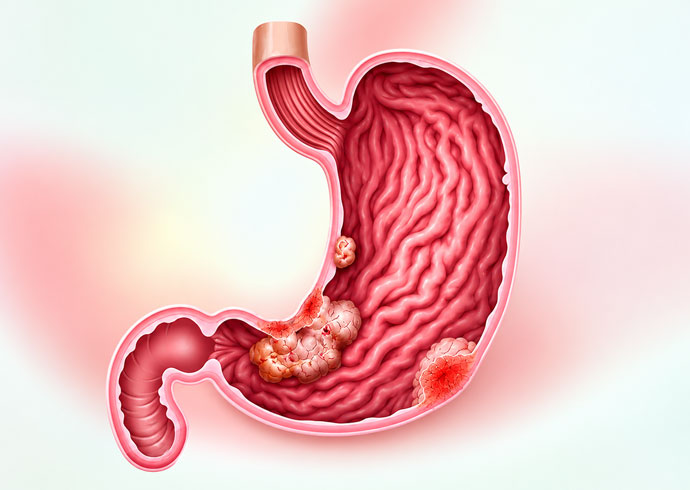
Stomach cancer can develop in different forms depending on the type of cells involved and the location of the tumour. Common types include:
- Gastric Adenocarcinoma: The most common type, arising from the cells lining the stomach.
- Gastrointestinal Stromal Tumour (GIST): A rare tumour that develops in specialised cells within the stomach wall.
- Gastric Lymphoma: A type of cancer that develops in the lymphatic tissue of the stomach.
- Neuroendocrine Tumours: Rare tumours that develop from hormone-producing cells in the stomach.
- Gastroesophageal Junction Cancer: Cancer developing near the junction of the stomach and food pipe.
Symptoms of Stomach Cancer
Stomach cancer may not cause noticeable symptoms in its early stages. As the condition progresses, some patients may experience:
- Persistent indigestion or heartburn
- Abdominal discomfort or pain
- Feeling full after eating small amounts of food
- Loss of appetite
- Unexplained weight loss
- Nausea or vomiting
- Difficulty swallowing
- Persistent fatigue or weakness
- Blood in vomit or black stools
These symptoms can also occur due to other digestive conditions. Persistent or unusual symptoms should be evaluated by a medical professional.
Causes and Risk Factors of Stomach Cancer
Stomach cancer develops due to changes in the DNA of stomach cells. Although the exact cause is not always known, certain factors may increase the risk:
- Helicobacter pylori Infection: Long-term infection can cause stomach inflammation and increase cancer risk.
- Family History: Having close relatives with stomach cancer may increase the risk.
- Smoking: Tobacco use is associated with an increased risk of stomach cancer.
- Dietary Habits: Frequent consumption of heavily salted, smoked or preserved foods may contribute to risk.
- Chronic Stomach Conditions: Certain long-standing stomach conditions, including chronic gastritis, may increase risk.
- Age: The risk generally increases with age.
- Obesity: Excess body weight is associated with an increased risk of certain stomach cancers.
Surgical Treatment Options
Surgery is an important treatment option for suitable patients, particularly when the cancer can be removed completely.
- Partial Gastrectomy: Removal of the affected portion of the stomach while preserving the remaining healthy part.
- Total Gastrectomy: Removal of the entire stomach when required based on the tumour's location and extent.
- Lymph Node Dissection: Removal of nearby lymph nodes to assess and manage cancer spread.
- Laparoscopic Gastrectomy: Minimally invasive stomach surgery performed through small incisions in selected patients.
- Robotic-Assisted Surgery: Robot-assisted techniques may be considered for selected complex surgical procedures.
Other Treatment Approaches
Depending on the stage and individual treatment needs, other approaches may be recommended along with surgery or as an alternative.
- Chemotherapy: Uses anti-cancer medicines to destroy cancer cells or control their growth.
- Targeted Therapy: Uses medicines that act on specific changes in cancer cells when suitable.
- Immunotherapy: Helps the immune system recognise and fight cancer cells in eligible patients.
The treatment approach is individualised, and surgery may be combined with other cancer treatments depending on the patient's condition.
Benefits of Timely Stomach Cancer Treatment
Early evaluation and appropriate treatment can help improve disease management and provide better opportunities for effective care. Potential benefits include:
- Better chances of detecting cancer at an earlier stage
- Improved opportunities for complete surgical removal in suitable cases
- Better planning of personalised treatment
- Access to minimally invasive surgical options when appropriate
- Improved management of symptoms and complications
- Appropriate follow-up and long-term care planning
Treatment outcomes vary depending on the cancer stage, overall health and response to treatment.
Prevention and Risk Reduction
Stomach cancer cannot always be prevented, but certain lifestyle measures may help reduce the risk and support digestive health.
- Include fresh fruits, vegetables and fibre-rich foods in your diet.
- Limit heavily salted, smoked and preserved foods.
- Avoid tobacco in all forms.
- Maintain a healthy body weight and stay physically active.
- Seek medical evaluation for persistent digestive symptoms.
- Consult your doctor about testing and treatment for H. pylori infection when indicated.
- Discuss appropriate evaluation if you have a strong family history of stomach cancer.
Regular medical guidance and timely evaluation of concerning symptoms can support early detection and appropriate care.