Conditions Treated with Hepatectomy
Hepatectomy may be recommended for selected conditions affecting the liver, particularly when surgical removal offers a suitable treatment option. These include:
- Hepatocellular Carcinoma (HCC): The most common primary liver cancer, developing in the liver cells.
- Intrahepatic Cholangiocarcinoma: A type of cancer that develops in the bile ducts within the liver.
- Colorectal Liver Metastases: Cancer that spreads to the liver from the colon or rectum.
- Other Liver Metastases: Selected cancers that spread to the liver from other parts of the body.
- Benign Liver Tumours: Certain non-cancerous growths that require surgical removal due to their size, symptoms or complications.
- Complex Liver Lesions: Selected liver abnormalities that may require surgical treatment after detailed evaluation.
Symptoms of Liver Conditions
Liver tumours and other liver conditions may not cause noticeable symptoms in their early stages. As the condition progresses, some patients may experience:
- Persistent pain or discomfort in the upper right abdomen
- Unexplained weight loss
- Loss of appetite
- Nausea or vomiting
- Abdominal swelling or a feeling of fullness
- Yellowing of the skin and eyes (jaundice)
- Persistent fatigue and weakness
- Dark-coloured urine or pale stools
- Unexplained fever in some cases
These symptoms may occur due to several liver and digestive conditions. Medical evaluation and appropriate investigations are important to identify the underlying cause.
Causes and Risk Factors of Liver Conditions
Different factors can contribute to the development of liver tumours and conditions that may require hepatectomy. Some recognised risk factors include:
- Chronic Hepatitis B and C: Long-term viral infections can cause liver damage and increase the risk of liver cancer.
- Liver Cirrhosis: Advanced scarring of the liver is an important risk factor for hepatocellular carcinoma.
- Fatty Liver Disease: Certain forms of advanced fatty liver disease can lead to inflammation, scarring and increased cancer risk.
- Alcohol-Related Liver Disease: Long-term excessive alcohol consumption can cause chronic liver damage.
- Metabolic Conditions: Obesity, diabetes and related metabolic disorders may increase the risk of chronic liver disease.
- Previous Cancer: Certain cancers, particularly colorectal cancer, can spread to the liver.
- Genetic and Biliary Conditions: Certain inherited conditions and long-standing bile duct disorders may increase the risk of liver or bile duct tumours.
Hepatectomy Treatment and Surgical Approaches
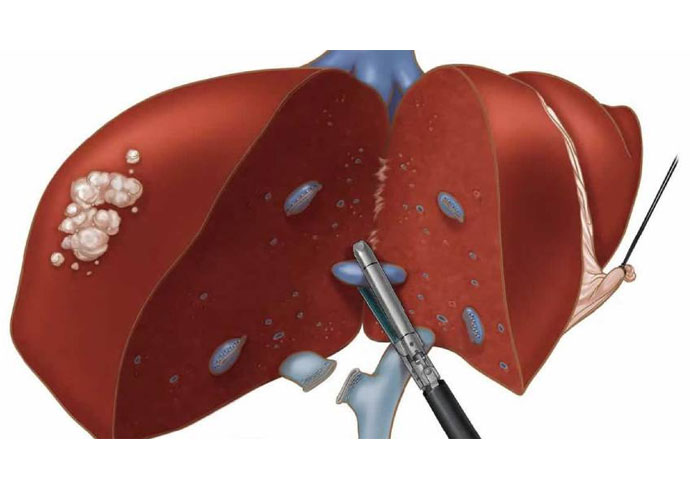
Hepatectomy involves removing the affected portion of the liver while preserving as much healthy liver tissue as possible. The surgical approach is selected based on the tumour's location, extent, liver function and the patient's overall health.
Types of Hepatectomy
Depending on the location and size of the affected area, different types of liver resections may be performed:
- Partial Hepatectomy: Removal of the affected portion of the liver while preserving healthy liver tissue.
- Right Hepatectomy: Removal of the right section of the liver when required by the tumour's location.
- Left Hepatectomy: Removal of the left section of the liver to treat selected liver conditions.
- Extended Hepatectomy: Removal of a larger portion of the liver when the disease involves multiple liver segments.
- Segmentectomy: Removal of one or more specific liver segments affected by the tumour.
- Wedge Resection: Removal of a localised area of liver tissue containing the tumour, along with an appropriate margin.
Surgical Techniques
Depending on the complexity of the procedure and the patient's suitability, hepatectomy can be performed using different surgical techniques.
- Open Hepatectomy: Traditional surgery performed through an abdominal incision to access and remove the affected liver tissue.
- Laparoscopic Hepatectomy: Minimally invasive surgery performed through small incisions using specialised instruments and a camera.
- Robotic-Assisted Hepatectomy: Robot-assisted surgery that provides enhanced visualisation and instrument control during selected complex liver procedures.
Before surgery, imaging investigations and liver function assessment help determine whether the remaining liver will be sufficient to support normal function after the procedure.
Benefits of Hepatectomy
For appropriately selected patients, hepatectomy can provide important treatment benefits, particularly when a liver tumour can be completely removed. Potential benefits include:
- Removal of localised liver tumours
- Potentially curative treatment for selected liver cancers
- Preservation of healthy liver tissue whenever possible
- Removal of selected metastatic tumours from the liver
- Minimally invasive surgical options for suitable patients
- Opportunity for further cancer treatment when clinically appropriate
The results of surgery depend on the underlying condition, tumour characteristics, liver function and overall health. As with any major operation, hepatectomy has potential risks and requires careful post-operative monitoring.
Prevention and Liver Health
Not all liver tumours can be prevented. However, maintaining liver health and managing known risk factors may help reduce the risk of certain liver diseases and cancers.
- Maintain a healthy body weight through balanced nutrition and regular physical activity.
- Avoid excessive alcohol consumption.
- Get vaccinated against hepatitis B when recommended.
- Follow medical advice for hepatitis B or C testing and treatment.
- Manage diabetes, obesity and other metabolic conditions.
- Avoid unnecessary medicines and unverified supplements that may affect liver health.
- Attend regular medical follow-ups if you have chronic liver disease or cirrhosis.
Patients with known liver disease or an increased risk of liver cancer should discuss appropriate monitoring and follow-up with their treating specialist.