Conditions Treated with Parenchyma-Preserving Surgery
This surgical approach may be considered for selected liver conditions where removing the tumour while preserving healthy liver tissue is important.
- Colorectal Liver Metastases: Cancer that has spread to the liver from the colon or rectum.
- Hepatocellular Carcinoma: The most common type of primary liver cancer.
- Intrahepatic Cholangiocarcinoma: Cancer that develops in the bile ducts within the liver.
- Multiple Liver Tumours: Selected cases where several tumours are present in different parts of the liver.
- Recurrent Liver Tumours: Selected cases where cancer returns in the liver after previous treatment or surgery.
Symptoms of Liver Tumours
Many liver tumours do not cause noticeable symptoms in their early stages. When symptoms occur, they may include:
- Persistent pain or discomfort in the upper right abdomen
- Unexplained weight loss
- Loss of appetite
- Feeling full after eating small amounts
- Abdominal swelling or discomfort
- Nausea or vomiting
- Yellowing of the skin or eyes (jaundice)
- Persistent fatigue or weakness
These symptoms can occur due to several liver and digestive conditions. Persistent or unusual symptoms should be evaluated by a medical professional.
Causes and Risk Factors of Liver Tumours
Liver tumours can develop within the liver or spread from cancers in other parts of the body. Certain conditions may increase the risk of developing primary liver cancer.
- Chronic Liver Disease: Long-standing liver damage may increase the risk of primary liver cancer.
- Hepatitis B and C: Chronic viral infections can cause liver inflammation and increase cancer risk.
- Liver Cirrhosis: Advanced scarring of the liver is an important risk factor for hepatocellular carcinoma.
- Fatty Liver Disease: Advanced metabolic dysfunction-associated liver disease may increase the risk of liver cancer.
- Alcohol Consumption: Long-term excessive alcohol use can damage the liver and contribute to cancer risk.
- Metastatic Cancer: Cancers such as colorectal cancer may spread to the liver through the bloodstream.
- Family History: Certain inherited conditions may increase the risk of developing liver tumours.
Parenchyma-Preserving Surgical Treatment
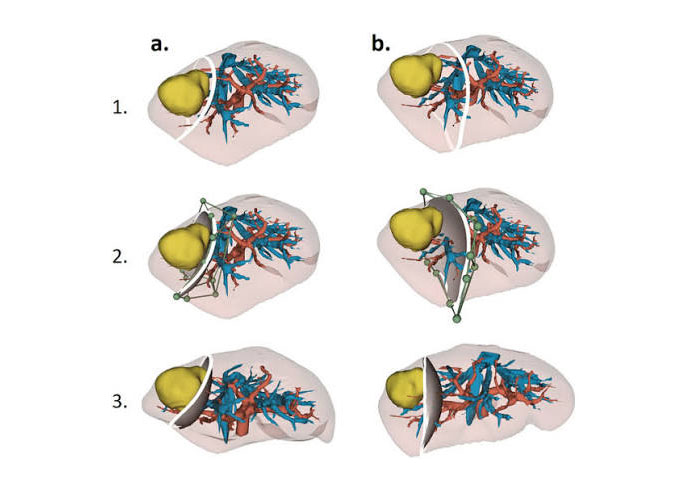
The aim of parenchyma-preserving surgery is to remove the tumour safely while retaining the maximum possible amount of healthy, functioning liver tissue. The surgical approach is selected after reviewing imaging reports, tumour characteristics and liver function.
Surgical Techniques
Depending on the location and extent of the tumour, different surgical techniques may be considered.
- Non-Anatomical Liver Resection: Removal of the tumour with an appropriate margin while preserving surrounding healthy liver tissue.
- Wedge Resection: Removal of a small portion of liver tissue containing the tumour.
- Segmental Liver Resection: Removal of the affected liver segment while retaining the remaining healthy portions.
- Multiple Limited Resections: Removal of selected tumour deposits from different areas of the liver while preserving functioning tissue.
- Laparoscopic Liver Surgery: Minimally invasive removal of selected liver tumours through small incisions.
- Robotic-Assisted Liver Surgery: Robot-assisted techniques may be considered for selected procedures requiring precise surgical movements.
Evaluation Before Surgery
Careful pre-operative assessment helps determine whether parenchyma-preserving surgery is appropriate and how much healthy liver tissue can safely be retained.
- Review of CT scans and MRI reports to understand tumour location and extent.
- Assessment of liver function and overall health.
- Evaluation of the blood vessels and bile ducts near the tumour.
- Planning the amount of healthy liver tissue that will remain after surgery.
- Review of previous cancer treatments and surgical history, where applicable.
The final surgical plan is individualised according to the tumour characteristics, liver function and the patient's overall condition.
Benefits of Parenchyma-Preserving Surgery
Preserving healthy liver tissue while removing the tumour can offer important advantages in appropriately selected patients.
- Retains more healthy, functioning liver tissue.
- Helps preserve the liver's functional capacity.
- May reduce the risk of complications associated with insufficient remaining liver volume.
- May provide more options for future liver surgery if cancer returns.
- Allows selected patients with multiple tumours to undergo surgical treatment.
- Supports an individualised approach to complex liver tumour management.
The benefits and suitability of this approach vary from patient to patient. The priority is always safe tumour removal while maintaining adequate liver function.
Prevention and Maintaining Liver Health
Not all liver tumours can be prevented, particularly those that spread from other organs. However, certain measures can help reduce the risk of primary liver cancer and support overall liver health.
- Get vaccinated against hepatitis B when recommended.
- Seek testing and appropriate treatment for hepatitis B and C infections.
- Limit or avoid alcohol consumption.
- Maintain a healthy body weight through balanced nutrition and physical activity.
- Manage diabetes, fatty liver disease and other metabolic conditions with medical guidance.
- Follow recommended liver monitoring if you have chronic liver disease or cirrhosis.
- Attend recommended follow-up appointments if you have a history of cancer.
If a liver tumour is diagnosed, timely specialist evaluation can help determine the appropriate treatment and surgical options.