Types and Conditions of Gallbladder Cancer
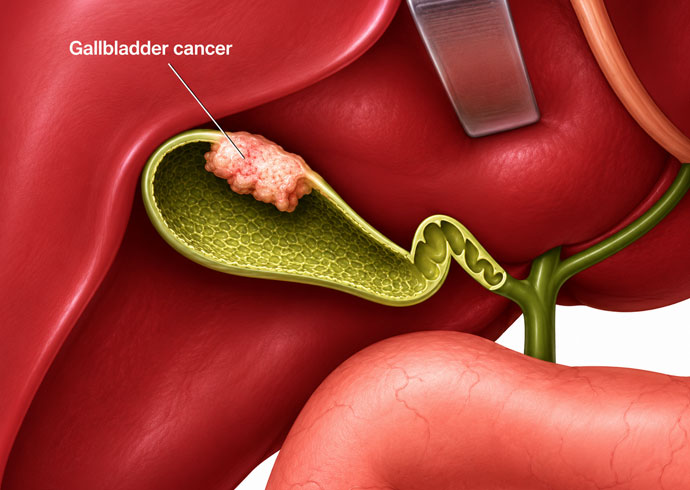
Gallbladder cancer can develop from different types of cells within the gallbladder. The most common and some less common types include:
- Adenocarcinoma: The most common type, developing in the glandular cells lining the gallbladder.
- Papillary Adenocarcinoma: A less common type that grows in finger-like projections within the gallbladder.
- Mucinous Adenocarcinoma: A rare type characterised by mucus-producing cancer cells.
- Squamous Cell Carcinoma: A rare cancer arising from squamous-type cells in the gallbladder.
- Adenosquamous Carcinoma: A rare type containing both glandular and squamous cancer cells.
- Neuroendocrine Tumours: Rare tumours that develop from hormone-producing cells.
Gallbladder cancer may also be classified according to how deeply it has grown into the gallbladder wall and whether it has spread to nearby lymph nodes or other organs.
Symptoms of Gallbladder Cancer
Gallbladder cancer may not cause noticeable symptoms in its early stages. As the condition progresses, patients may experience:
- Persistent pain in the upper right abdomen
- Yellowing of the skin and eyes (jaundice)
- Unexplained weight loss
- Loss of appetite
- Nausea and vomiting
- Abdominal swelling or discomfort
- Persistent itching
- Dark-coloured urine and pale stools
- Fever or unusual fatigue
These symptoms may also occur due to gallstones, infections or other liver and digestive conditions. Persistent symptoms, especially jaundice, should be medically evaluated.
Causes and Risk Factors of Gallbladder Cancer
The exact cause of gallbladder cancer is not always known. However, certain medical conditions and lifestyle factors may increase the risk:
- Gallstones: Long-standing gallstones may cause repeated inflammation and are associated with an increased risk.
- Chronic Gallbladder Inflammation: Long-term inflammation of the gallbladder may increase cancer risk.
- Gallbladder Polyps: Certain larger or suspicious polyps may carry a higher risk of malignancy.
- Porcelain Gallbladder: Calcification of the gallbladder wall may be associated with an increased risk.
- Age and Gender: The risk generally increases with age and is higher in women.
- Obesity: Excess body weight is associated with an increased risk of gallbladder disease and cancer.
- Family History: A family history of gallbladder cancer may increase individual risk.
- Abnormal Bile Duct Conditions: Certain congenital abnormalities of the bile ducts may increase the risk.
Gallbladder Cancer Treatment
Treatment depends on the stage of cancer, tumour location, involvement of nearby structures and the patient's overall health. Surgical removal may be recommended when the cancer is localised and considered operable.
Surgical Treatment Options
Surgery aims to remove the cancer while preserving as much healthy tissue as possible. Depending on the extent of the disease, surgical options may include:
- Simple Cholecystectomy: Removal of the gallbladder, generally considered for selected early-stage cancers.
- Extended Cholecystectomy: Removal of the gallbladder along with a portion of the adjacent liver tissue and nearby lymph nodes when required.
- Liver Resection: Removal of the affected portion of the liver when cancer has extended into nearby liver tissue.
- Lymph Node Dissection: Removal of selected lymph nodes around the gallbladder and bile ducts to assess and manage cancer spread.
- Bile Duct Resection: Removal of the affected bile duct segment in selected cases where the cancer involves the bile duct.
- Laparoscopic and Robotic Surgery: Minimally invasive techniques may be considered for selected patients depending on the tumour stage and surgical requirements.
Other Treatment Approaches
Additional treatments may be recommended before or after surgery, or when the cancer cannot be removed surgically.
- Chemotherapy: Uses anti-cancer medicines to destroy cancer cells or slow their growth.
- Targeted Therapy: Uses medicines that act on specific changes in cancer cells when suitable.
- Immunotherapy: Helps the immune system recognise and fight cancer cells in eligible patients.
- Biliary Drainage or Stenting: May be used to relieve bile duct obstruction and manage jaundice.
The treatment plan is individualised based on detailed evaluation, and a combination of surgery and other cancer treatments may be recommended when appropriate.
Benefits of Timely Gallbladder Cancer Treatment
Early diagnosis and appropriate treatment can improve the opportunity for effective disease management. Potential benefits include:
- Better chances of identifying cancer at an earlier stage
- Improved opportunities for complete tumour removal in suitable cases
- Personalised treatment planning based on cancer stage
- Access to advanced surgical techniques when appropriate
- Better management of jaundice and other cancer-related complications
- Appropriate follow-up and long-term care planning
Treatment outcomes vary depending on the stage of cancer, its spread, overall health and response to treatment.
Prevention and Risk Reduction
Gallbladder cancer cannot always be prevented. However, maintaining a healthy lifestyle and managing certain gallbladder conditions may help reduce some associated risks.
- Maintain a healthy body weight through balanced nutrition and regular physical activity.
- Include fresh fruits, vegetables and fibre-rich foods in your diet.
- Limit highly processed and unhealthy foods.
- Seek medical evaluation for persistent abdominal pain or digestive symptoms.
- Get medical advice for diagnosed gallstones and recurring gallbladder inflammation.
- Follow up on gallbladder polyps or other abnormalities as advised by your doctor.
- Discuss any family history or known risk factors with your healthcare provider.
Regular medical guidance and timely evaluation of gallbladder conditions can help identify concerning changes and support appropriate care.