Conditions Treated with Cytoreductive Surgery
Cytoreductive surgery may be considered when cancer has spread to the peritoneal lining or abdominal surfaces. It is used in carefully selected cases involving:
- Colorectal Cancer with Peritoneal Spread: Cancer originating in the colon or rectum that has spread to the abdominal lining.
- Appendiceal Cancer: Certain appendix tumours that spread within the abdominal cavity.
- Pseudomyxoma Peritonei: A rare condition involving the accumulation of mucus-producing tumour cells within the abdomen.
- Gastric Cancer with Peritoneal Spread: Selected stomach cancers involving the peritoneal surfaces.
- Peritoneal Mesothelioma: A rare cancer arising from the lining of the abdominal cavity.
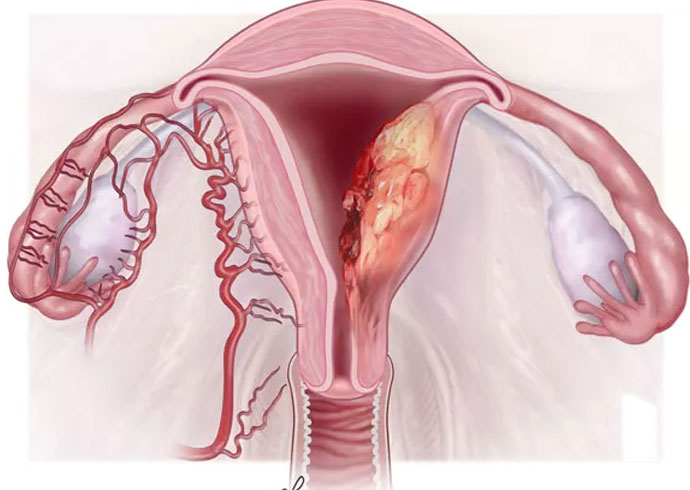
- Ovarian Cancer with Peritoneal Involvement: Selected cases where cancer has spread across abdominal surfaces.
Suitability depends on the cancer type, extent of spread, possibility of removing visible disease and the patient's overall health.
Symptoms of Peritoneal Cancer
Symptoms may vary depending on the primary cancer and the extent of its spread within the abdomen. Common symptoms include:
- Persistent abdominal pain or discomfort
- Abdominal swelling or bloating
- Fluid accumulation in the abdomen (ascites)
- Loss of appetite
- Feeling full after eating small amounts
- Unexplained weight loss
- Nausea or vomiting
- Changes in bowel habits
- Persistent fatigue or weakness
These symptoms may also occur with other abdominal conditions. Persistent or worsening symptoms should be evaluated by a medical professional.
Causes and Risk Factors
Cytoreductive surgery is performed when certain cancers spread to the peritoneal surfaces. This spread, known as peritoneal metastasis, can occur when cancer cells detach from a primary tumour and implant within the abdominal cavity.
Cancers and factors associated with peritoneal spread include:
- Advanced Gastrointestinal Cancers: Colorectal, stomach and appendiceal cancers may spread to the peritoneum.
- Ovarian Cancer: Cancer cells may spread across the abdominal lining.
- Peritoneal Malignancies: Certain cancers originate directly from the tissues lining the abdominal cavity.
- Advanced Disease Stage: The risk of peritoneal involvement may increase as certain cancers progress.
- Tumour Characteristics: The type, location and biological behaviour of the primary cancer influence its spread.
- Recurrent Cancer: Some cancers may return and involve the peritoneal surfaces after previous treatment.
Peritoneal spread can occur even when the original cancer has been treated. The cause and extent of disease are assessed individually.
Cytoreductive Surgery Treatment Approach
Treatment begins with a detailed evaluation of the cancer type, previous treatments, imaging reports and overall health. The goal is to determine whether the visible tumour deposits can be safely removed and whether additional treatment is appropriate.
Cytoreductive Surgery (CRS)
During surgery, the surgeon removes visible tumour deposits from the peritoneal surfaces and affected abdominal tissues. Depending on the extent of disease, this may involve:
- Peritonectomy: Removal of affected portions of the peritoneal lining.
- Tumour Removal: Removal of visible cancer deposits from abdominal surfaces and organs where required.
- Organ Resection: Removal of affected portions of organs when necessary to achieve complete tumour clearance.
- Abdominal Tumour Clearance: Careful removal of visible disease from involved areas of the abdominal cavity.
HIPEC (Hyperthermic Intraperitoneal Chemotherapy)
HIPEC may be performed immediately after cytoreductive surgery in selected patients. It involves circulating heated chemotherapy medication within the abdominal cavity for a specific period to target microscopic cancer cells that may remain after visible tumour removal.
- Administered directly within the abdominal cavity.
- Uses heated chemotherapy medication.
- Aims to target microscopic residual cancer cells.
- Considered based on the cancer type and individual treatment plan.
Recovery and Follow-Up Care
Recovery after cytoreductive surgery depends on the extent of the procedure and the patient's overall condition. Hospital care, nutritional support, pain management and regular follow-up help monitor recovery and identify any complications.
Benefits of Cytoreductive Surgery
For appropriately selected patients, cytoreductive surgery may offer important treatment benefits, including:
- Removal of visible tumour deposits from the abdominal cavity.
- Reduction of overall tumour burden.
- Potential relief from symptoms caused by abdominal tumour deposits.
- Opportunity to combine surgery with HIPEC in selected cases.
- A specialised treatment option for certain peritoneal surface malignancies.
- Potential improvement in disease control for suitable patients.
The benefits and outcomes vary depending on the primary cancer, extent of disease, completeness of tumour removal and overall health. Surgery is not suitable for every patient.
Prevention and Risk Reduction
Peritoneal cancer spread cannot always be prevented. However, early diagnosis and appropriate management of the primary cancer may help with timely treatment planning and monitoring.
- Seek medical advice for persistent abdominal pain, bloating or unexplained weight loss.
- Follow recommended screening and evaluation for colorectal and other relevant cancers.
- Attend scheduled follow-up appointments after cancer treatment.
- Complete recommended investigations and treatment without unnecessary delays.
- Maintain a balanced diet and a healthy lifestyle.
- Discuss any new or recurring symptoms with your treating specialist.
- Follow an individualised surveillance plan based on your cancer diagnosis and treatment history.
Regular follow-up and timely medical evaluation are important for patients with a history of abdominal cancers.