Types and Locations of GIST
GIST can develop in different parts of the gastrointestinal tract. Its treatment depends on the tumour's location, size, growth pattern and risk of spreading.
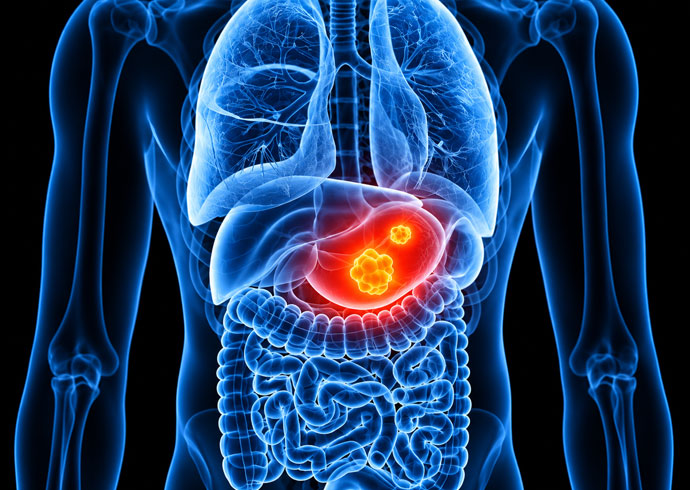
- Gastric GIST: Develops in the stomach and is the most common type of GIST.
- Small Intestinal GIST: Develops in the small intestine and may require specialised surgical management.
- Colorectal GIST: Develops in the colon or rectum and may present with abdominal or bowel-related symptoms.
- Oesophageal GIST: A rare tumour that develops in the food pipe.
- Extra-Gastrointestinal Stromal Tumour: Rarely, similar tumours develop outside the digestive tract.
- Advanced or Metastatic GIST: Refers to tumours that have spread to other parts of the body, commonly the liver or abdominal lining.
Symptoms of GIST
Small GISTs may not cause noticeable symptoms and are sometimes discovered during investigations for other conditions. As the tumour grows, patients may experience:
- Persistent abdominal pain or discomfort
- Abdominal swelling or a noticeable lump
- Feeling full after eating small amounts of food
- Nausea or vomiting
- Loss of appetite
- Unexplained weight loss
- Gastrointestinal bleeding
- Black, tarry stools due to internal bleeding
- Fatigue or weakness due to anaemia
- Difficulty swallowing in certain cases
These symptoms may also occur with other digestive conditions. Persistent abdominal discomfort, unexplained bleeding or other unusual symptoms should be medically evaluated.
Causes and Risk Factors of GIST
GIST develops due to genetic changes in the cells of the gastrointestinal tract. These changes cause cells to grow and multiply uncontrollably. Common factors associated with GIST include:
- KIT Gene Mutations: Changes in the KIT gene are responsible for many GISTs and can lead to uncontrolled cell growth.
- PDGFRA Gene Mutations: Certain changes in the PDGFRA gene can also contribute to GIST development.
- Inherited Genetic Conditions: Rare conditions such as Neurofibromatosis type 1 and familial GIST syndrome may increase the risk.
- Age: GIST is more commonly diagnosed in adults, particularly older individuals.
- Family History: A family history of GIST may be relevant in rare inherited forms of the condition.
Most GISTs occur due to genetic changes acquired during a person's lifetime rather than inherited from parents. The exact cause of these changes is not always known.
GIST Treatment Options
Treatment for GIST depends on the tumour's size, location, mitotic activity, genetic profile and whether it has spread. A detailed evaluation helps determine the most appropriate treatment approach.
Surgical Treatment Options
Surgery is the primary treatment for many localised GISTs that can be safely removed. The aim is to remove the tumour completely while preserving as much healthy surrounding tissue as possible.
- GIST Tumour Resection: Surgical removal of the tumour with an appropriate margin of surrounding tissue.
- Wedge Resection: Removal of the tumour along with a small portion of the stomach wall when suitable.
- Segmental Bowel Resection: Removal of the affected section of the small intestine or bowel.
- Laparoscopic GIST Surgery: Minimally invasive removal of selected tumours through small incisions.
- Complex GIST Surgery: Surgical management of larger or strategically located tumours requiring specialised planning.
- Metastatic GIST Surgery: Surgery may be considered in selected patients with limited metastatic disease or for specific complications.
Targeted Therapy and Other Treatment Approaches
Targeted medicines play an important role in GIST treatment, particularly when surgery alone is not sufficient or when the tumour is advanced.
- Imatinib Therapy: A targeted medicine commonly used for suitable GISTs based on their genetic profile. It may be given before or after surgery or for advanced disease.
- Neoadjuvant Targeted Therapy: Medication given before surgery to reduce tumour size and make surgical removal more suitable in selected cases.
- Adjuvant Targeted Therapy: Medication given after surgery to reduce the risk of recurrence in patients with an appropriate risk profile.
- Other Targeted Medicines: Medicines such as sunitinib, regorafenib or ripretinib may be considered for advanced or treatment-resistant GIST, depending on the clinical situation.
Genetic testing of the tumour helps identify specific mutations and guide the selection of targeted medicines. Treatment decisions are individualised according to the patient's condition and response to therapy.
Benefits of Timely GIST Treatment
Early diagnosis and appropriate treatment planning can help manage GIST effectively and reduce the risk of complications. Potential benefits include:
- Early identification and assessment of tumour growth
- Better opportunities for complete tumour removal in suitable cases
- Preservation of healthy stomach and bowel tissue whenever possible
- Access to minimally invasive surgical techniques when appropriate
- Personalised treatment through genetic and molecular testing
- Better monitoring and management of recurrence risk
- Improved management of symptoms and treatment-related complications
Treatment outcomes depend on tumour characteristics, genetic profile, disease stage and response to treatment. Regular follow-up remains important after treatment.
GIST Prevention and Risk Management
There is currently no established lifestyle measure that can prevent most cases of GIST, as they are generally associated with genetic changes that occur within cells. However, appropriate medical evaluation and monitoring can help with timely diagnosis and management.
- Seek medical advice for persistent abdominal pain, unexplained weight loss or gastrointestinal bleeding.
- Follow recommended investigations if an abdominal or digestive tract tumour is suspected.
- Consider genetic counselling if there is a family history or suspected inherited GIST condition.
- Attend scheduled follow-up appointments after GIST treatment.
- Follow the recommended imaging and monitoring schedule to check for recurrence.
- Take prescribed targeted medicines as advised by your treating specialist.
Regular follow-up and timely medical attention are important for managing GIST and identifying any changes that may require further treatment.