Conditions Managed Through Laparoscopic Surgery
Laparoscopic techniques can be used for various abdominal conditions, including selected gastrointestinal and hepatobiliary cancers. Common surgical applications include:
- Stomach Cancer: Surgical removal of the affected part or entire stomach in suitable cases.
- Colorectal Cancer: Removal of cancer-affected portions of the colon or rectum.
- Gallbladder Cancer: Selected surgical procedures for managing gallbladder malignancies.
- Liver Tumours: Removal of selected liver tumours through minimally invasive techniques.
- Pancreatic Tumours: Minimally invasive surgical approaches for selected pancreatic conditions.
- Abdominal Tumours: Surgical evaluation and removal of selected abdominal growths.
- Other Gastrointestinal Conditions: Selected benign and malignant conditions requiring abdominal surgery.
When Should You Consider Laparoscopic Surgery?
Laparoscopic surgery may be considered when a diagnosed abdominal condition requires surgical treatment. Depending on the underlying condition, patients may experience:
- Persistent abdominal pain or discomfort
- Recurrent digestive problems
- Unexplained weight loss
- Persistent nausea or vomiting
- Changes in bowel habits
- Loss of appetite or early fullness
- Abnormal findings on abdominal scans
- A diagnosed tumour requiring surgical evaluation
These symptoms do not always indicate a condition requiring surgery. A detailed medical evaluation is necessary to determine the appropriate treatment.
Factors Determining Suitability for Laparoscopic Surgery
Not every patient or abdominal condition is suitable for a laparoscopic approach. The choice of surgery depends on several important factors:
- Nature of the Condition: The type of disease and the organ involved influence the surgical approach.
- Tumour Size and Location: The position and extent of a tumour help determine surgical suitability.
- Disease Stage: The extent of disease spread is considered when planning cancer surgery.
- Previous Surgeries: Earlier abdominal procedures may affect the surgical approach.
- Overall Health: Existing medical conditions and fitness for anaesthesia are assessed.
- Surgical Complexity: The procedure required and the need for safe removal of affected tissue are considered.
Laparoscopic Surgical Procedure
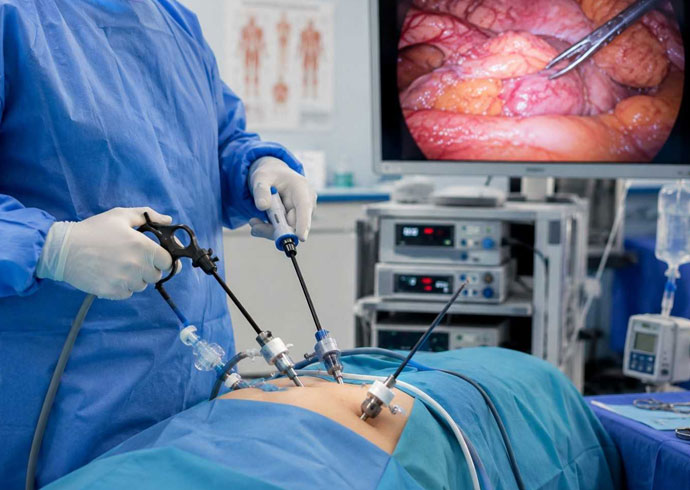
Laparoscopic surgery is performed under general anaesthesia using specialised instruments and a high-definition camera. The procedure generally involves the following steps:
- Small Incisions: A few small openings are made in the abdomen to introduce surgical instruments.
- Camera Insertion: A laparoscope is inserted to provide a magnified view of the internal organs.
- Surgical Treatment: Specialised instruments are used to perform the required procedure with careful precision.
- Specimen Removal: The affected tissue or organ is removed through an appropriate incision.
- Closure: The instruments are removed and the small incisions are closed.
Pre-Surgical Evaluation
Before surgery, a detailed assessment is carried out to understand the patient's condition and plan the procedure safely. This may include:
- Review of medical history and previous treatments
- Blood tests and other required investigations
- CT scans, MRI or other relevant imaging
- Assessment of fitness for general anaesthesia
- Discussion of surgical options and expected recovery
The final surgical approach is selected after considering the patient's condition, investigation findings and treatment goals.
Benefits of Minimally Invasive Laparoscopic Surgery
When appropriate, laparoscopic surgery offers several advantages over conventional open surgery. Potential benefits include:
- Smaller surgical incisions
- Less post-operative pain in many patients
- Reduced blood loss in selected procedures
- Lower risk of wound-related complications in suitable cases
- Shorter hospital stay in many procedures
- Faster return to daily activities for suitable patients
- Smaller and less noticeable scars
The benefits and recovery period vary depending on the type of surgery, the patient's health and the complexity of the condition.
Recovery and Care After Laparoscopic Surgery
Recovery after laparoscopic surgery depends on the procedure performed and the patient's overall health. Following the post-operative instructions can support healing and help reduce complications.
- Follow the prescribed medication and wound-care instructions.
- Begin gentle movement and walking as advised by your surgical team.
- Follow the recommended diet and hydration plan.
- Avoid strenuous activities and heavy lifting until medically cleared.
- Keep the incision sites clean and follow dressing instructions.
- Attend scheduled follow-up appointments.
- Contact your doctor if you develop fever, worsening pain, persistent vomiting or unusual wound discharge.
Regular follow-up helps monitor recovery and address any concerns. Your surgical team will guide you on gradually returning to your routine activities.