Types and Conditions Associated with Neuroendocrine Tumours
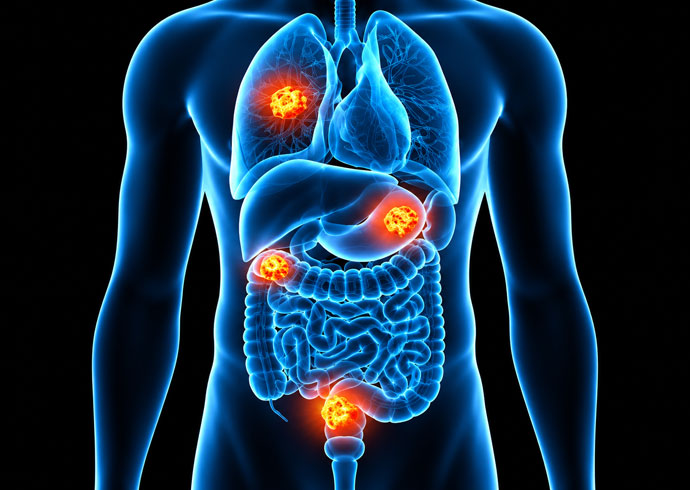
Neuroendocrine tumours are classified according to their location, cell characteristics and growth behaviour. Common types include:
- Gastrointestinal Neuroendocrine Tumours: Develop in the stomach, small intestine, appendix, colon or rectum.
- Pancreatic Neuroendocrine Tumours (PanNETs): Arise from hormone-producing cells of the pancreas and may or may not release excess hormones.
- Gastric Neuroendocrine Tumours: Develop in the hormone-producing cells of the stomach lining.
- Small Intestinal Neuroendocrine Tumours: Commonly affect the small intestine and may spread to nearby lymph nodes or the liver.
- Functional Neuroendocrine Tumours: Produce excess hormones that can cause specific symptoms.
- Non-Functional Neuroendocrine Tumours: Do not produce enough active hormones to cause noticeable hormonal symptoms.
- Well-Differentiated and Poorly Differentiated Tumours: Classified based on how the tumour cells appear and behave under a microscope.
Symptoms of Neuroendocrine Tumours
Symptoms vary depending on the tumour's location, size and hormone production. Some tumours may not cause noticeable symptoms in their early stages. Possible symptoms include:
- Persistent abdominal pain or discomfort
- Unexplained weight loss
- Diarrhoea or changes in bowel habits
- Nausea, vomiting or indigestion
- Facial flushing or sudden redness
- Wheezing or breathing discomfort
- Loss of appetite or feeling unusually full
- Unexplained changes in blood sugar levels
- Jaundice in cases involving the pancreas or bile ducts
- Persistent fatigue or general weakness
These symptoms may also be associated with other medical conditions. Persistent or unexplained symptoms should be evaluated by a medical professional.
Causes and Risk Factors of Neuroendocrine Tumours
The exact cause of most neuroendocrine tumours is not known. They develop when changes in the DNA of neuroendocrine cells cause them to grow and multiply abnormally. Certain factors may increase the risk:
- Inherited Genetic Conditions: Conditions such as Multiple Endocrine Neoplasia type 1 (MEN1), Von Hippel-Lindau syndrome and Neurofibromatosis type 1 may increase the risk.
- Family History: Having close relatives with certain inherited endocrine tumour conditions may increase the risk.
- Age: The likelihood of developing some types of neuroendocrine tumours increases with age.
- Chronic Stomach Conditions: Certain long-standing stomach conditions, including chronic atrophic gastritis, are associated with specific types of gastric neuroendocrine tumours.
- Genetic Changes: Acquired changes in genes involved in cell growth and regulation can contribute to tumour development.
Most neuroendocrine tumours occur without a clear inherited cause or identifiable risk factor.
Neuroendocrine Tumour Treatment
Treatment depends on the tumour's location, size, grade, stage, hormone production and whether it has spread. A personalised treatment plan is developed after reviewing the patient's medical history, imaging and biopsy findings.
Surgical Treatment Options
Surgery may be recommended when the tumour can be safely removed. The type of procedure depends on its location and extent.
- Local Tumour Excision: Removal of small, localised tumours while preserving surrounding healthy tissue when appropriate.
- Gastrointestinal Resection: Removal of the affected portion of the stomach or intestine when required.
- Pancreatic Neuroendocrine Tumour Surgery: Procedures such as enucleation, distal pancreatectomy or pancreaticoduodenectomy, depending on the tumour's location.
- Lymph Node Dissection: Removal of nearby lymph nodes when necessary to manage or assess the spread of the tumour.
- Liver Metastasis Surgery: Removal of selected tumour deposits in the liver when appropriate.
- Laparoscopic Surgery: Minimally invasive procedures performed through small incisions in selected patients.
- Robotic-Assisted Surgery: Robot-assisted techniques may be considered for suitable complex procedures.
Other Treatment Approaches
When surgery alone is not suitable or additional treatment is required, other options may be considered based on the tumour type and individual patient needs.
- Somatostatin Analogues: Medicines that help control hormone-related symptoms and may slow tumour growth in certain patients.
- Peptide Receptor Radionuclide Therapy (PRRT): A targeted treatment that delivers radiation to neuroendocrine tumour cells expressing specific receptors.
- Targeted Therapy: Medicines that act on specific pathways involved in tumour growth.
- Chemotherapy: Anti-cancer medicines used for selected types of neuroendocrine tumours.
- Liver-Directed Treatments: Procedures such as embolisation may be considered for selected patients with liver metastases.
Treatment may involve a combination of surgery and other therapies. Regular monitoring is important to assess treatment response and detect any recurrence or progression.
Benefits of Timely Neuroendocrine Tumour Treatment
Early evaluation and appropriate treatment can help manage neuroendocrine tumours effectively. Depending on the tumour type and stage, potential benefits include:
- Early identification and assessment of tumour growth
- Better opportunities for complete tumour removal in suitable cases
- Improved management of hormone-related symptoms
- Personalised treatment based on tumour characteristics
- Access to advanced surgical and minimally invasive options when appropriate
- Better monitoring and management of disease progression
- Improved planning of long-term care and follow-up
Treatment outcomes vary depending on tumour type, grade, stage, spread and response to treatment.
Prevention and Risk Reduction
There is currently no established way to prevent most neuroendocrine tumours. However, individuals with a family history or inherited risk conditions may benefit from appropriate medical guidance and monitoring.
- Discuss genetic counselling if you have a family history of inherited endocrine tumour conditions.
- Follow recommended screening and monitoring if you have a known hereditary risk.
- Seek medical evaluation for persistent or unexplained digestive symptoms.
- Attend regular follow-up appointments if previously diagnosed with a neuroendocrine tumour.
- Maintain a balanced diet and healthy lifestyle to support overall well-being.
- Discuss any new or worsening symptoms with your treating specialist.
Timely medical assessment, appropriate monitoring and individualised care are important for managing neuroendocrine tumours.