Conditions Treated with PIPAC
PIPAC may be considered for selected patients with peritoneal metastases arising from different primary cancers. These include:
- Gastric Cancer: Stomach cancer that has spread to the peritoneal lining.
- Colorectal Cancer: Colon or rectal cancer involving the abdominal lining.
- Ovarian Cancer: Selected cases with cancer spread across the peritoneal surfaces.
- Appendiceal Cancer: Certain appendix cancers associated with peritoneal involvement.
- Peritoneal Mesothelioma: A rare cancer originating in the lining of the abdominal cavity.
- Other Peritoneal Metastases: Selected cases of abdominal cancer spread, depending on the disease and treatment suitability.
Symptoms of Peritoneal Metastases
Cancer involving the peritoneum may cause different symptoms depending on the extent of disease. Common symptoms include:
- Persistent abdominal pain or discomfort
- Abdominal swelling or bloating
- Fluid accumulation in the abdomen (ascites)
- Loss of appetite
- Feeling full after eating small amounts
- Unexplained weight loss
- Nausea or vomiting
- Changes in bowel habits
- Persistent fatigue and weakness
These symptoms may occur due to different medical conditions. A detailed clinical assessment and appropriate investigations are required to identify the underlying cause.
Causes and Risk Factors of Peritoneal Cancer Spread
Peritoneal metastases develop when cancer cells from a primary tumour spread to the lining of the abdominal cavity. Certain cancers are more likely to involve the peritoneum, including:
- Gastric Cancer: Cancer cells may spread from the stomach to nearby peritoneal surfaces.
- Colorectal Cancer: Advanced colon and rectal cancers may involve the abdominal lining.
- Ovarian Cancer: Cancer cells can spread across the peritoneal cavity.
- Appendiceal Cancer: Certain appendix tumours can spread within the abdominal cavity.
- Other Abdominal Malignancies: Selected pancreatic and other gastrointestinal cancers may also spread to the peritoneum.
The likelihood of peritoneal spread depends on the type, stage and biological behaviour of the primary cancer.
PIPAC Treatment Procedure
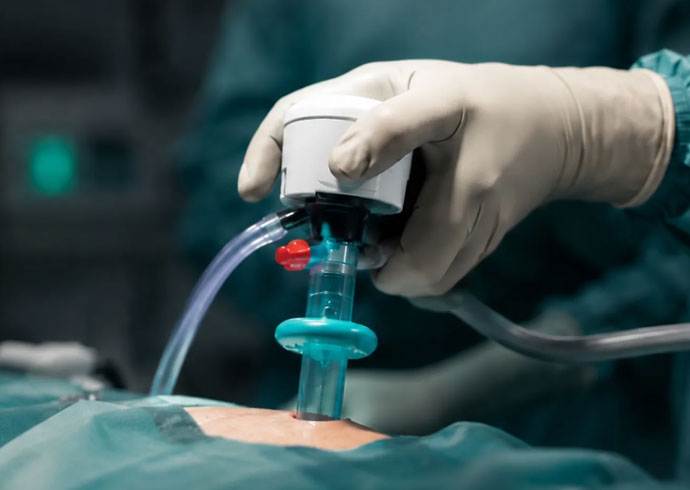
PIPAC is performed using minimally invasive laparoscopic surgery. It delivers chemotherapy directly into the abdominal cavity as a pressurised aerosol. The procedure generally involves the following steps:
- General Anaesthesia: The patient is given general anaesthesia before the procedure.
- Laparoscopic Access: Small incisions are made in the abdomen to introduce a laparoscope and specialised instruments.
- Abdominal Assessment: The abdominal cavity is examined to assess the extent of peritoneal disease. Biopsies may be taken when required.
- Chemotherapy Aerosol Delivery: Chemotherapy is converted into a fine aerosol and delivered into the abdominal cavity under controlled pressure.
- Procedure Completion: After the treatment, the instruments are removed and the small incisions are closed.
When is PIPAC Recommended?
PIPAC may be considered in selected patients with peritoneal metastases, particularly when other treatment options have limited effectiveness or when disease control is the treatment goal.
- Peritoneal disease that is difficult to remove completely through surgery.
- Patients requiring a localised approach to chemotherapy delivery.
- Selected patients who have not responded adequately to conventional systemic chemotherapy.
- Patients being considered for repeated treatment cycles to assess disease response.
Suitability is determined after reviewing the primary cancer, disease extent, previous treatments and overall health.
Benefits of PIPAC Treatment
PIPAC offers a specialised approach to treating cancer involving the peritoneal surfaces. Potential benefits for suitable patients include:
- Direct Drug Delivery: Chemotherapy is delivered directly into the abdominal cavity.
- Minimally Invasive Approach: The procedure is performed through small laparoscopic incisions.
- Pressurised Aerosol Technique: Helps distribute chemotherapy across accessible peritoneal surfaces.
- Repeat Treatment Possibility: Multiple treatment sessions may be considered depending on the patient's response.
- Disease Monitoring: Allows repeated assessment of peritoneal disease during treatment.
- Potential Symptom Control: May help manage disease-related symptoms in selected patients.
PIPAC is not suitable for every patient and does not guarantee cancer removal or cure. Treatment response and outcomes vary depending on individual circumstances.
Prevention and Care During PIPAC Treatment
Peritoneal metastases cannot always be prevented. However, appropriate cancer care, regular monitoring and timely medical attention can help support treatment planning and overall well-being.
- Attend scheduled oncology consultations and follow-up appointments.
- Complete recommended scans, blood tests and other investigations.
- Follow the prescribed treatment and medication schedule.
- Maintain adequate nutrition and hydration as advised by your care team.
- Report new or worsening abdominal symptoms promptly.
- Discuss treatment-related side effects with your doctor.
- Follow post-procedure care instructions and recovery guidance.
Regular monitoring helps your medical team assess treatment response and make appropriate decisions about further care.