Types and Conditions of Cholangiocarcinoma
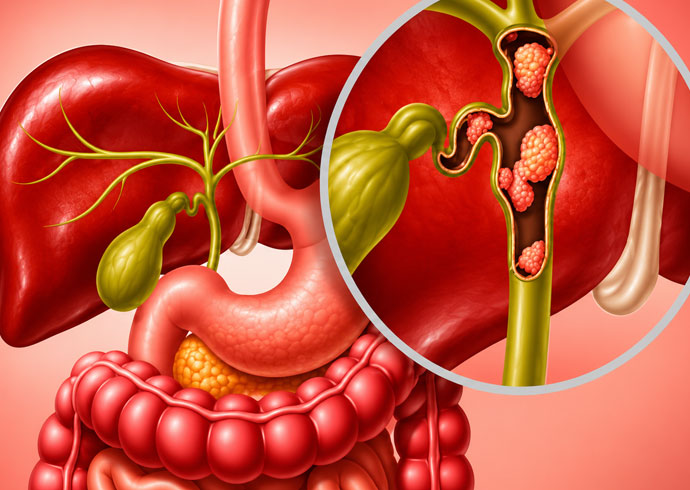
Cholangiocarcinoma is classified according to where the cancer develops within the bile ducts. The main types include:
- Intrahepatic Cholangiocarcinoma: Develops in the bile ducts located within the liver.
- Perihilar Cholangiocarcinoma: Occurs near the junction where the right and left hepatic bile ducts meet outside the liver.
- Distal Cholangiocarcinoma: Develops in the lower part of the bile duct, closer to the small intestine.
- Hilar Bile Duct Cancer: A tumour affecting the bile ducts near the liver's exit, often requiring complex surgical planning.
- Locally Advanced Cholangiocarcinoma: Cancer that has extended into nearby tissues or blood vessels.
- Recurrent Cholangiocarcinoma: Cancer that returns after previous treatment.
Symptoms of Cholangiocarcinoma
Symptoms of bile duct cancer may not be noticeable in the early stages. As the condition progresses or bile flow becomes blocked, patients may experience:
- Yellowing of the skin and eyes (jaundice)
- Dark-coloured urine
- Pale or clay-coloured stools
- Persistent itching of the skin
- Abdominal pain or discomfort, particularly in the upper right side
- Unexplained weight loss
- Loss of appetite
- Nausea and fatigue
- Fever or chills in cases associated with bile duct infection
These symptoms may also occur due to other liver and biliary conditions. Persistent jaundice or unexplained digestive symptoms should be evaluated promptly.
Causes and Risk Factors of Cholangiocarcinoma
Cholangiocarcinoma develops when changes in the DNA of bile duct cells cause them to grow abnormally. The exact cause is not always known, but certain conditions may increase the risk:
- Primary Sclerosing Cholangitis (PSC): A chronic condition causing inflammation and scarring of the bile ducts.
- Bile Duct Cysts: Certain congenital abnormalities of the bile ducts may increase cancer risk.
- Chronic Bile Duct Inflammation: Long-term inflammation and irritation may contribute to abnormal cell changes.
- Liver Diseases: Certain chronic liver conditions, including hepatitis and cirrhosis, may increase the risk.
- Gallstones: Certain longstanding biliary conditions may be associated with an increased risk.
- Age: The likelihood of developing bile duct cancer generally increases with age.
- Parasitic Infections: Certain liver fluke infections are associated with increased risk, particularly in some regions.
- Smoking and Lifestyle Factors: Smoking and certain metabolic conditions may contribute to the overall risk.
Cholangiocarcinoma Treatment
Treatment for cholangiocarcinoma depends on the tumour's location, size, stage, involvement of nearby blood vessels and the patient's overall health. A detailed evaluation helps determine whether surgery or other treatment approaches are suitable.
Surgical Treatment Options
Surgery is an important treatment option when the cancer can be completely removed. The procedure is selected according to the location and extent of the tumour.
- Liver Resection: Removal of the affected portion of the liver along with the tumour in selected cases of intrahepatic or perihilar bile duct cancer.
- Major Hepatectomy: Removal of a larger portion of the liver when required to achieve complete tumour removal.
- Bile Duct Resection: Removal of the affected section of the bile duct to treat the cancer.
- Whipple Procedure (Pancreaticoduodenectomy): Removal of the bile duct along with the head of the pancreas and other nearby structures for selected distal bile duct cancers.
- Lymph Node Dissection: Removal of nearby lymph nodes to assess and manage possible cancer spread.
- Minimally Invasive Surgery: Laparoscopic or robotic-assisted approaches may be considered in carefully selected patients.
Other Treatment Approaches
When surgery is not suitable or additional treatment is required, other approaches may be recommended based on the cancer stage and individual needs.
- Chemotherapy: Uses anti-cancer medicines to control tumour growth and manage cancer cells.
- Targeted Therapy: Uses medicines that act on specific genetic changes in cancer cells when suitable.
- Immunotherapy: Helps the immune system recognise and fight cancer cells in eligible patients.
- Biliary Drainage or Stenting: Helps restore bile flow when a tumour causes blockage in the bile duct.
- Radiation Therapy: Uses targeted radiation to manage cancer in selected cases.
Treatment may involve a combination of surgery, medicines and supportive procedures. The plan is tailored to the patient's diagnosis and treatment goals.
Benefits of Timely Cholangiocarcinoma Treatment
Early evaluation and appropriate treatment planning can help manage bile duct cancer more effectively. Potential benefits include:
- Better opportunity for diagnosis at an earlier stage
- Assessment for complete surgical removal in suitable cases
- Personalised treatment planning based on tumour location and stage
- Improved management of bile duct obstruction and related symptoms
- Access to advanced surgical and medical treatment options
- Appropriate follow-up and monitoring after treatment
Treatment outcomes vary depending on the stage of cancer, tumour characteristics, overall health and response to treatment.
Prevention and Risk Reduction
There is no guaranteed way to prevent cholangiocarcinoma. However, managing certain risk factors and maintaining liver and biliary health may help reduce associated risks.
- Maintain a healthy lifestyle with a balanced diet and regular physical activity.
- Avoid smoking and limit alcohol consumption.
- Seek medical care for persistent liver or bile duct problems.
- Follow medical advice for chronic liver diseases and bile duct inflammation.
- Get appropriate evaluation for unexplained jaundice or changes in urine and stool colour.
- Follow recommended monitoring if diagnosed with conditions associated with bile duct cancer.
- Seek timely treatment for relevant biliary infections and conditions.
Regular medical follow-up is particularly important for individuals with known bile duct or chronic liver conditions.