Conditions Associated with Rectal Cancer
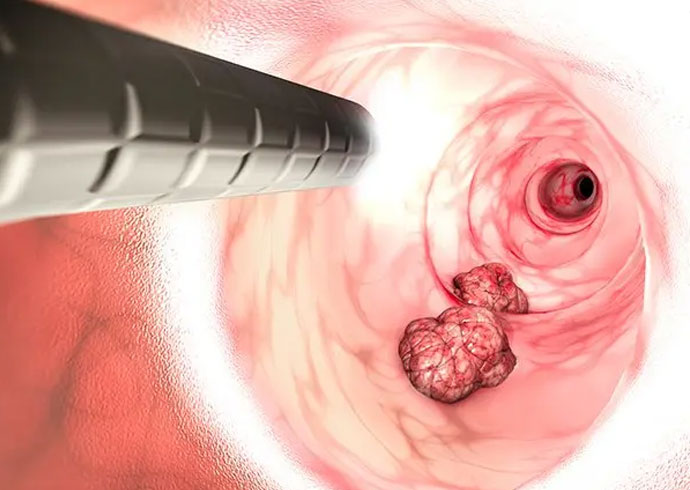
Rectal cancer can develop in different forms depending on the type of cells involved and the location of the tumour. Common types and associated conditions include:
- Rectal Adenocarcinoma: The most common type of rectal cancer, developing from the glandular cells lining the rectum.
- Upper Rectal Cancer: Develops in the upper portion of the rectum, closer to the sigmoid colon.
- Middle Rectal Cancer: Develops in the middle portion of the rectum and may require specialised surgical planning.
- Low Rectal Cancer: Develops close to the anus, where preserving normal bowel function may require careful consideration.
- Locally Advanced Rectal Cancer: Cancer that has grown beyond the rectal wall or spread to nearby lymph nodes.
- Recurrent Rectal Cancer: Cancer that returns after previous treatment and may require specialised evaluation and management.
Symptoms of Rectal Cancer
Rectal cancer may not cause noticeable symptoms in its early stages. As the condition progresses, patients may experience:
- Blood in the stool or rectal bleeding
- Persistent changes in bowel habits
- Diarrhoea or constipation
- Feeling that the bowel does not empty completely
- Narrow or altered stool shape
- Abdominal discomfort or cramping
- Unexplained weight loss
- Persistent fatigue or weakness
- Anaemia due to ongoing blood loss
These symptoms can also occur due to other bowel conditions. Persistent rectal bleeding or changes in bowel habits should be evaluated by a medical professional.
Causes and Risk Factors of Rectal Cancer
Rectal cancer develops due to changes in the DNA of cells lining the rectum. Although the exact cause is not always known, certain factors may increase the risk:
- Age: The risk generally increases with age, although rectal cancer can occur in younger adults.
- Family History: Having close relatives with colorectal cancer or certain inherited conditions may increase the risk.
- Colon Polyps: Certain types of colorectal polyps can develop into cancer over time.
- Inflammatory Bowel Disease: Long-standing ulcerative colitis or Crohn's disease involving the colon may increase the risk.
- Dietary Habits: A diet high in processed or red meat and low in fibre may contribute to increased risk.
- Smoking and Alcohol: Tobacco use and excessive alcohol consumption are associated with increased colorectal cancer risk.
- Obesity and Physical Inactivity: Excess body weight and a sedentary lifestyle may increase the risk.
- Inherited Conditions: Genetic conditions such as Lynch syndrome and familial adenomatous polyposis can increase the risk.
Rectal Cancer Treatment
Treatment for rectal cancer depends on the tumour's size, location, stage and involvement of nearby structures. Diagnostic investigations help determine the most appropriate treatment approach, which may involve surgery, chemotherapy, radiation therapy or a combination of treatments.
Surgical Treatment Options
Surgery aims to remove the cancer while preserving normal bowel function whenever possible. The procedure is selected according to the tumour's location and extent.
- Low Anterior Resection (LAR): Removal of the affected rectal portion while preserving the anal sphincter when suitable.
- Ultra-Low Anterior Resection: Removal of a very low rectal tumour while attempting to preserve bowel continuity in selected patients.
- Abdominoperineal Resection (APR): Removal of the rectum and anus for selected low rectal cancers, requiring a permanent colostomy.
- Total Mesorectal Excision (TME): Removal of the rectum along with the surrounding mesorectal tissue and lymph nodes to achieve appropriate cancer clearance.
- Local Excision: Removal of selected early-stage tumours through the anus without removing the entire rectum.
- Laparoscopic Rectal Cancer Surgery: Minimally invasive surgery performed through small incisions in suitable patients.
- Robotic-Assisted Rectal Surgery: Robot-assisted techniques may be considered for selected complex procedures, particularly in the narrow pelvic region.
- Recurrent Rectal Cancer Surgery: Specialised surgical procedures for selected patients whose cancer returns after previous treatment.
Other Treatment Approaches
Depending on the cancer stage and individual needs, additional treatments may be recommended before or after surgery, or as part of a non-surgical treatment plan.
- Neoadjuvant Chemoradiotherapy: A combination of chemotherapy and radiation therapy given before surgery to shrink the tumour and improve treatment outcomes.
- Total Neoadjuvant Therapy (TNT): Chemotherapy and radiation-based treatment delivered before surgery in selected patients with locally advanced rectal cancer.
- Chemotherapy: Uses anti-cancer medicines to destroy cancer cells or control their growth.
- Radiation Therapy: Uses targeted radiation to destroy cancer cells and may be recommended before or after surgery.
- Targeted Therapy and Immunotherapy: Specialised medicines may be considered for selected advanced cancers based on molecular and biomarker testing.
The treatment plan is individualised based on diagnostic findings, tumour response and the patient's overall health. A multidisciplinary approach helps coordinate appropriate care.
Benefits of Timely Rectal Cancer Treatment
Early evaluation and appropriate treatment can improve disease management and provide better opportunities for effective care. Potential benefits include:
- Better chances of detecting cancer at an earlier stage
- Improved opportunities for complete tumour removal in suitable cases
- Better planning of personalised cancer treatment
- Possibility of preserving normal bowel function when appropriate
- Access to minimally invasive surgical options in selected patients
- Better management of symptoms and treatment-related complications
- Appropriate follow-up and long-term care planning
Treatment outcomes vary depending on the cancer stage, tumour characteristics, overall health and response to treatment.
Prevention and Risk Reduction
Rectal cancer cannot always be prevented, but certain lifestyle measures and appropriate screening can help reduce risk and support early detection.
- Include fresh fruits, vegetables and fibre-rich foods in your daily diet.
- Limit processed meat and excessive consumption of red meat.
- Avoid tobacco in all forms.
- Limit alcohol consumption.
- Maintain a healthy body weight and stay physically active.
- Discuss appropriate colorectal cancer screening with your doctor, especially if you have a family history.
- Seek medical evaluation for persistent rectal bleeding or changes in bowel habits.
- Follow recommended surveillance if you have a history of colorectal polyps or inflammatory bowel disease.
Regular screening, awareness of symptoms and timely medical evaluation can help identify concerning changes early and support appropriate treatment.