Conditions Treated with HIPEC
HIPEC may be considered for selected cancers involving the peritoneal surface. Depending on the diagnosis and extent of disease, it may be used in the management of:
- Colorectal Cancer: Selected cases where cancer has spread to the lining of the abdominal cavity.
- Appendiceal Cancer: Certain appendiceal tumours, including pseudomyxoma peritonei.
- Ovarian Cancer: Selected advanced or recurrent cases involving the peritoneal surface.
- Gastric Cancer: Carefully selected cases with peritoneal involvement.
- Peritoneal Mesothelioma: A rare cancer affecting the lining of the abdominal cavity.
Symptoms of Peritoneal Surface Cancer
Symptoms may vary depending on the type and extent of cancer. Some patients may experience:
- Persistent abdominal pain or discomfort
- Abdominal swelling or bloating
- Accumulation of fluid in the abdomen (ascites)
- Loss of appetite
- Feeling full after eating small amounts
- Unexplained weight loss
- Changes in bowel habits
- Nausea or vomiting
- Persistent fatigue or weakness
These symptoms can occur due to several conditions and do not necessarily indicate cancer. Persistent symptoms should be evaluated by a medical professional.
Causes and Risk Factors of Peritoneal Cancer
Peritoneal cancer may develop within the abdominal lining or spread from cancers originating in nearby organs. The risk depends on the primary cancer and individual medical history.
- Colorectal Cancer: Cancer of the colon or rectum may spread to the peritoneal surface.
- Appendiceal Tumours: Certain tumours of the appendix can spread within the abdominal cavity.
- Ovarian Cancer: Some ovarian cancers can involve the peritoneal lining.
- Stomach Cancer: Advanced gastric cancer may spread to the abdominal lining.
- Peritoneal Mesothelioma: A rare cancer that originates in the cells lining the abdominal cavity.
- Advanced Cancer: Certain abdominal and pelvic cancers may spread beyond their original site.
HIPEC Treatment Procedure
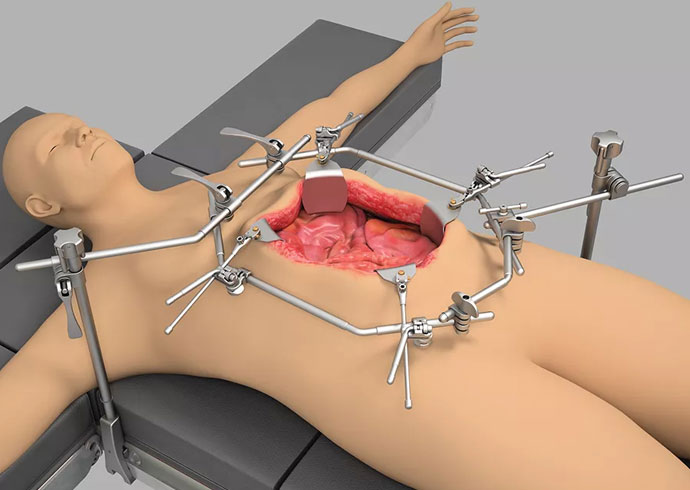
HIPEC is generally performed in two stages. The treatment is recommended only for carefully selected patients after detailed evaluation of their cancer and overall fitness for surgery.
Cytoreductive Surgery (CRS)
The first stage involves removing visible tumour deposits from the abdominal cavity. Depending on the extent of cancer, this may involve removing affected tissues, organs or parts of organs.
- Removal of visible tumour deposits
- Removal of affected peritoneal surfaces when required
- Removal of involved organs or tissues when necessary
- Careful assessment of the abdominal cavity
Hyperthermic Intraperitoneal Chemotherapy
After cytoreductive surgery, heated chemotherapy medicine is circulated throughout the abdominal cavity using a specialised delivery system. The medicine is maintained at a controlled temperature and circulated for a specific period before being drained.
- Heated chemotherapy is delivered directly into the abdominal cavity.
- The solution circulates to reach the peritoneal surfaces.
- Controlled temperature and circulation time are maintained.
- The chemotherapy solution is drained after the procedure.
The chemotherapy medicines, temperature and duration are determined according to the treatment protocol and the patient's condition.
Benefits of HIPEC Treatment
For appropriately selected patients, HIPEC combined with cytoreductive surgery may offer a treatment option for certain cancers involving the abdominal lining. Potential benefits include:
- Delivers chemotherapy directly into the abdominal cavity.
- Targets microscopic cancer cells that may remain after surgery.
- Combines tumour removal and local chemotherapy in one treatment procedure.
- Provides an additional treatment option for selected peritoneal cancers.
- May help improve disease control in suitable patients.
- Allows treatment planning based on the cancer type and extent of disease.
HIPEC is a major surgical treatment and may involve risks and complications. Its suitability and expected outcomes vary according to the cancer type, disease extent and individual health.
Recovery and Care After HIPEC
Recovery after cytoreductive surgery and HIPEC varies from patient to patient. As it is an extensive procedure, hospital monitoring and a planned recovery programme are important.
- Hospital Monitoring: Close observation of vital signs, surgical recovery and organ function.
- Pain Management: Appropriate medication and support to manage post-operative discomfort.
- Nutritional Support: Gradual introduction of food and fluids according to recovery progress.
- Physical Activity: Guided movement and gradual activity to support recovery.
- Follow-up Care: Regular consultations and investigations to monitor recovery and disease status.
- Further Treatment: Additional cancer treatment may be advised depending on the final findings and individual needs.
Follow-up care is personalised and helps monitor recovery, manage complications and plan further treatment when required.